

Built on curiosity.
Forged by frustration.
This is not another agency origin story about a passion for marketing. Imperium exists because our founder spent a decade inside the industry watching it fail the people paying for it — and decided to build the opposite.
Curiosity before the internet was everywhere.
At around eight years old, Dom DelBuco spent most of his time on a computer. Not consuming content on it — taking it apart.
This was the Windows XP era, often without an internet connection. If you wanted the machine to do something interesting, you had to work out how it did anything at all. Hours went into system files, settings and software, learning how it all fit together by pulling it apart and putting it back together.
That curiosity turned into a first professional role, and that role sent him across the country to digital marketing conferences — learning next to the people running campaigns at a scale most agencies only talk about.


Veterans Guardian: leadership, scale and trust.
Recruited by Veterans Guardian — a company owned by a U.S. Army Lieutenant Colonel — he joined a team small enough to fit around one table, and left a company of more than a hundred and fifty people.
Year after year those teams were singled out inside the company — not only for performance, but for having the least conflict and the highest cohesion of any group in the building. Leadership returned that with real freedom to invest in tools, platforms and systems. Almost everything implemented became profitable.
He did not hand in two weeks and walk. He gave six months' notice and spent them training his second-in-command to take over the department, so the teams he had built kept running after he was gone. Then he moved back to Florida to build the agency he had spent years trying to hire.
He reported directly to the two men who built the company. Over those years they took someone who simply loved technology and marketing and turned him into an operator who could aim it — and they sharpened him as much as anyone could.
The industry problem that broke the illusion.
At Veterans Guardian we outsourced website management, Meta ads and Google ads so the internal team could stay on bigger projects. We went with the big names — the ones with the podcasts and the case studies. Five-figure retainers, twelve-month contracts.
What we got was what almost everybody gets. And because the contract ran a full year, there was nothing to do but sit inside it and keep paying while the invoices cleared.
It is the only time in my career I have felt like I let leadership down. That part stayed with me a lot longer than the money did.
Five months left on the contract
It took a few more of them, and a lot of conversations with people holding the same job at other companies, before the pattern was obvious. Everyone had the same story. Different logos, the same five-figure invoices, the same handful of sentences, the same nothing delivered. It was never one bad hire, and it was never a run of bad luck. It is how the industry is built.
So we stopped assuming it was us and went and documented the whole model — what a twelve-month contract really costs, how the reports get padded, who is actually producing the work and which country they are in, and the regulators who have already prosecuted pieces of it.
See how bad it actually gets →
So we built the agency we wished existed.
Imperium is the correction. One team builds the site, runs the campaigns and owns the tracking underneath both — so there is nobody to hand your question to. The person who answers is the person who did the work.
These agencies are so disconnected.
Four people, four places, one of them a different country — and most of them have never spoken to each other. Then they wonder why nobody can answer your question on the call.
Your money, your customers, and a question you need answered today.
Paid on what he closes, not on what gets delivered, so he promises accordingly. You will not speak to him again after you sign.
Gone after signatureInherits you from a spreadsheet. Relays your questions rather than answering them, and waits on someone else to write the reply.
Never met the closerBuilds whatever fits the ticket. Has never seen your shop, your trucks, or the thing you actually sell.
Never met you eitherBuilds and runs the accounts himself, and personally trains anyone who ever touches one.
Taught the playbook face to face by the person who wrote it. Nobody is handed an account they were not trained to run.
Same calls, same time zone. Technical questions get answered in the conversation where they were asked.
Everyone here has met everyone here. On day one, so have you.

The next ten years are about people.
Somewhere in Manhattan there is an agency with a beautiful lobby and a floor almost nobody works on. Closers on commission. Account managers a time zone away. That model is very good for their revenue and very bad for their clients — and the gap it leaves is the biggest opening in this industry.
Learn the craft
Everyone starts inside the build — the markup, the campaigns, the tracking, the unglamorous parts. Nobody here advises on work they have never made with their own hands.
Own the work
Then they carry accounts of their own, with the authority to make the call and the responsibility when the call is wrong. Ownership is how judgement actually gets built.
Grow the business
And then they become the person an owner calls when it matters, because they have done every part of it themselves and can say what they would do next.
Imperium is taking the long way. It costs more, it takes years, and it is the only way this business ever gets its craft back.
Real in-house American strategists.
A real agency partner, not a vendor.
Real growth for clients who are excited to work with us.
There is a whole life outside the screen.
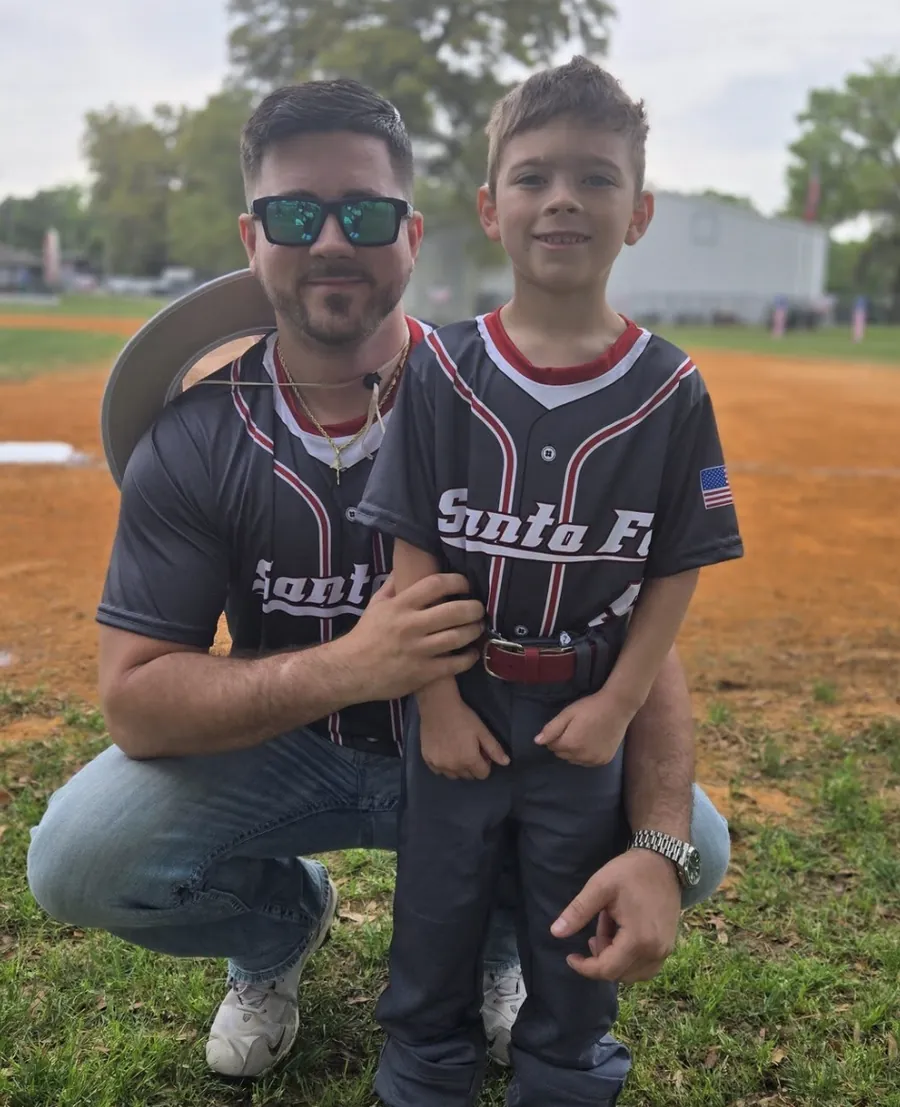
Dom spent three seasons as head coach of his son’s Santa Fe baseball team — running practices, writing lineups, and coaching a dugout full of kids through a season at a time — while Imperium was being built in the hours around it.
There was a season of coaching LEGO League in there as well. These days the whole family is deep in BMX racing — at the track every week — and the business keeps running right alongside all of it.
Ball field, robotics table or BMX track, the phone stays in the truck. It is the same habit that runs the business — show up, do the work in front of you, and be the person people can count on.
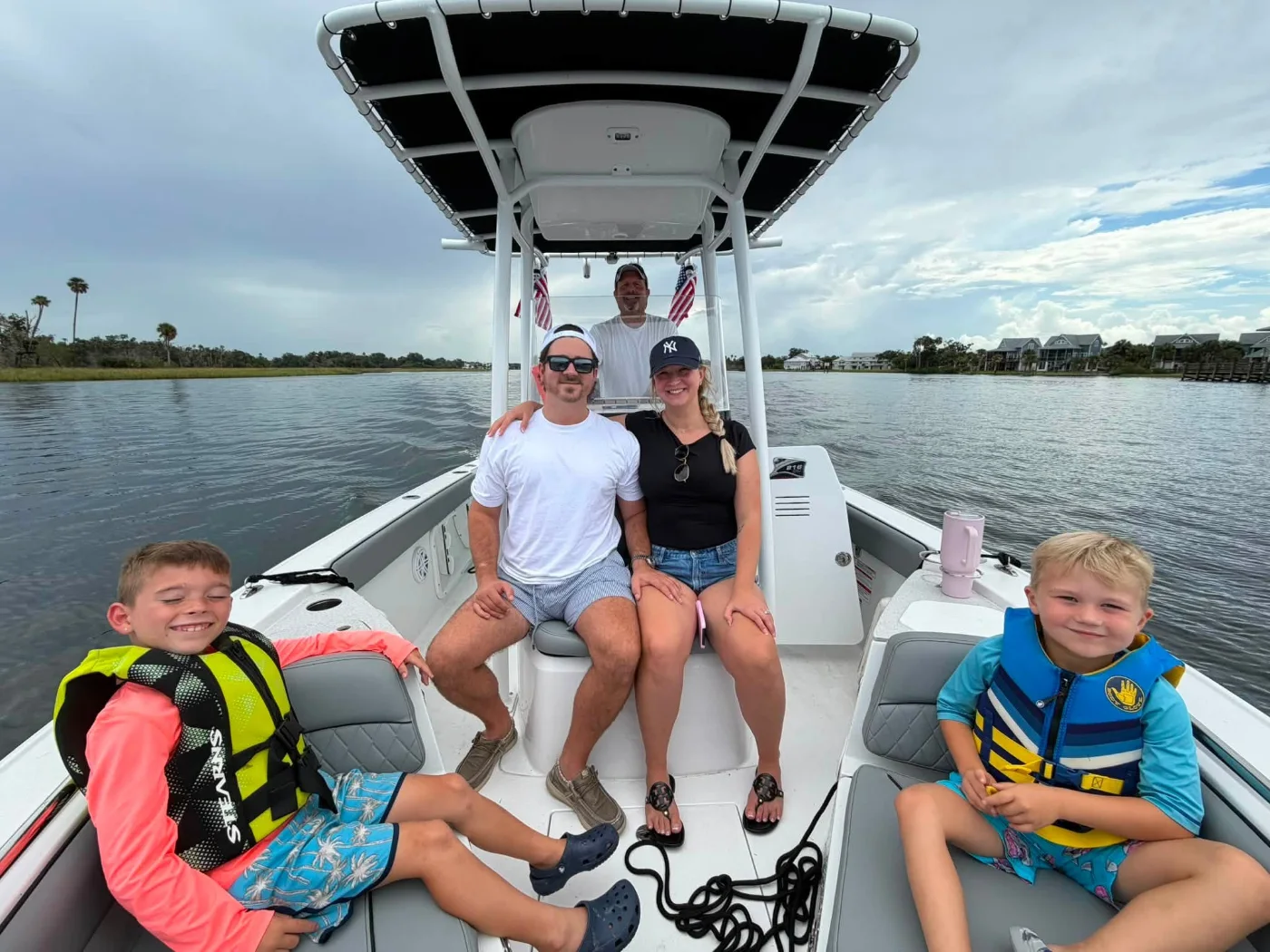
Most weekends end up on the water, and Crystal River is the usual pick — the whole family on the boat, nothing that has to be answered before Monday.
That is deliberate. A business that only runs while the owner is staring at a screen is not built right. The same systems that make a Saturday off possible are the ones that keep client work from slipping during the week.
This is where we spend most of our time when the sun isn't beating us up. We float, we camp, and we live where we serve.
Why Imperium exists.
What the last decade made non-negotiable, and where it is all pointed.
To make marketing something a business owner can verify instead of something they have to trust.
The people who build the site, run the campaigns and own the tracking are the same people who answer the phone.
- Real in-house American strategists.
- A real agency partner, not a vendor.
- Real growth for clients who are excited to work with us.
Competence first
Nobody here advises on work they have not done with their own hands. If we cannot explain it, we do not sell it.
Own the outcome
If something breaks, we fix it. If something underperforms, we say so before you have to ask.
Show the receipts
Speed, spend and results come with the report attached. Published pricing, real reports, no slide-deck numbers.
Answer the first time
“Let me get back to you on that” is not a service. The person who did the work is the person on the call.
Nothing leaves the building
Sites, campaigns and tracking are built in house. No white labels, no offshore hand-offs, no vendor you never meet.
Respect the craft
Every line of code, every campaign, every pixel matters — and we grow strategists rather than rent them, because that is the only way the work stays good.
Ready to work with an agency that gets it?
No fluff, no runaround. People who know these systems from the inside, because they built their careers in them. Book a call and see what that actually feels like.
15-minute call. No pressure, no contracts, just clarity.