


Uncover the potential of Google Ads
Google Ads offers you instant visibility in front of the right audience. If you want to capture leads and ultimately boost your ROI, focusing on Google Ads for lead gen is one of the most strategic moves you can make. By targeting the right keywords, designing compelling ad copy, and optimizing for user intent, you set the stage for a pipeline of qualified prospects. When you’re able to guide those prospects through each step of your sales process, you stand to see real business growth.
But the path to success is not always straightforward. Whether you’re new to digital advertising or already have campaigns running, optimizing for lead generation requires a well-thought-out plan. You must look at everything from ad placements, bidding strategies, and landing page design to your post-click experience. In essence, you want your ads to attract visitors who are genuinely interested in your offerings, rather than aimlessly chasing high click volume. This approach allows you to stretch every marketing dollar further while maximizing your return on investment.
Below, you’ll find a step-by-step walkthrough to help you tap into the full potential of Google Ads. It starts by setting clear objectives, then ensuring you’re reaching the best audience, and concludes with ongoing refinement. By the end, you’ll be far better equipped to create and manage lead-focused campaigns that form the backbone of your business growth.
Plan your lead generation strategy
A strong lead generation strategy starts with clarity about what “success” means to you. Do you want a flood of brand-new leads for a sales call? Are you looking for an email list of potential customers you can nurture over time? Or do you want immediate product trials, demos, or event registrations? By zeroing in on the types of leads you need, you’re laying the groundwork for relevant and efficient campaigns.
Once you know your lead type, it’s time to figure out how to measure those results. Conversions can be tracked through form-fill completions, phone calls, sign-ups, or any other metrics that matter to your business. The more specific you are, the easier it becomes to see which of your ads and landing pages work best. Whether you use google ads lead capture or a custom form on your site, consider adding conversion tracking software or a simple code snippet so you can tie each lead back to the original keyword and ad. This data is invaluable when it comes to refining your next steps.
Align offers with buyer needs
A strong offer sets the stage for higher-quality leads. Think about the pain points and desires of your audience. Are they looking for quick wins, in-depth guides, or free consultations? When you offer genuinely valuable content or a compelling incentive, you position yourself as a helpful resource. This approach not only grabs attention but also attracts an audience that’s more likely to convert.
Choose compelling ad angles
A clear and compelling ad angle is essential to stand out. If you’re using google ads lead gen strategies, make sure your message gets people excited about what you have to offer. The headline should grab attention by highlighting a pain point or promising a benefit, while your description can briefly explain how your product or service solves that issue. Craft your ads in a way that builds curiosity and invites a click.
Optimize campaigns for high-quality leads
Once your strategy is defined, the next step is turning on your ads and tailoring campaign settings for lead generation. This includes structuring your campaigns effectively, honing your targeting, and perfecting your ads. All these elements are crucial if you want to make every marketing dollar count.
Structure your campaigns logically
For better control, group your campaigns by theme or audience segment. You might, for instance, build separate campaigns for different product lines or regions. This approach allows you to tailor your bidding, images, and messages to each group without overlap. A logical structure also simplifies reporting since you can see at a glance which themes produce the best results.
Refine keyword targeting
Keywords have a significant impact on your ad performance. When you’re trying to capture more leads, you’ll want a tightly focused set of keywords that match specific user intents. If someone searches “best local fitness studio,” for instance, they’re likely in a discovery phase. If someone searches “sign up for yoga classes near me,” they’re likely further along in the decision process. By mapping your keywords to the various stages of your google ads lead funnel, you’ll ensure your ads appear at the exact moment potential leads are ready to engage.
Use negative keywords
Negative keywords help you avoid irrelevant searches and eliminate clicks from users who aren’t likely to convert. If you’re offering premium software, you’ll probably want to exclude searches containing terms like “free software” or “open-source alternative.” This filtration not only saves money but also improves your metrics by directing your budget toward those who are truly interested in your solution.
Test different ad formats
Google Ads offers plenty of ad formats that can streamline your journey to better lead generation. Standard text ads are always an option, but you can also use google ads lead form extensions to capture user information right from the search results. Display ads can help you reach potential customers while they’re browsing websites, and YouTube ads can effectively showcase a product demo. For some businesses, shopping ads or remarketing campaigns make sense, especially if you want to re-engage users who previously clicked but didn’t convert.
Craft persuasive landing pages
Your landing page design and content can make or break your lead generation campaigns. The moment a visitor clicks your ad, they should land on a page that directly ties into the promise made in your ad copy. If you offer “50% off your first session,” ensure the landing page includes that deal first and foremost. Elements like easy-to-read bullet points, strong calls to action, and clear contact forms reduce friction. For more guidance on building optimized landing pages, explore how to generate leads with google ads for practical tips and examples.
Track and refine your performance
Even if your ads produce leads from day one, you can’t afford to “set and forget” a campaign. Ongoing monitoring, analysis, and refinements power your long-term results. This data-driven approach lets you stay ahead of market shifts and continuously improve campaign performance.
Measure conversions accurately
Without accurate conversion tracking, you’re flying blind. You want to know exactly which ad or keyword sparked that phone call or form submission. To do this, install conversion tags from Google Ads or use a platform that seamlessly integrates with your marketing tools. Additionally, you can track each stage of your funnel, from ad clicks to final actions, inside lead generation with google ads. This is your roadmap to seeing which steps might need adjustment.
Analyze your lead quality
Not all leads are created equal, and you can’t measure campaign success solely by the volume of new contacts. If you find that some leads have a low lifetime value or rarely move past the initial conversation, consider refining your targeting. Maybe your ad language is too general, or your offer is attracting non-committal users. By comparing closed deals and qualified opportunities against your overall leads, you’ll get a sharper understanding of where and how to focus your ad spend.
Fine-tune bidding strategies
Google Ads provides various bidding strategies, from manual cost-per-click (CPC) to automated options like Target CPA (cost per acquisition) or Target ROAS (return on ad spend). In the beginning, you might prefer manual CPC to get a feel for how your campaigns perform. Over time, you can experiment with automated strategies to see which delivers the best leads at the right cost. Keep an eye on your daily budget because Google Ads can spend your entire daily limit, and you don’t want to run out of budget before peak times. If you’re unsure where to start, consider the specific mechanics of each bidding method using google ads lead targeting as a reference.
Split-test your variables
Split-testing, also called A/B testing, is a straightforward way to identify what resonates most with your audience. Test out two versions of your ad copy: a humorous approach versus a more formal tone. Try out two landing pages with different color schemes or calls to action. The key is to test one element at a time so that you can isolate what’s impacting your results. Keep the winner, then test again. Through iterative testing, your campaigns evolve into finely-tuned lead generation machines.
Nurture leads for higher ROI
Once leads pour in, your real work begins. You’ll want a plan for nurturing them until they’re ready to convert. Whether you reach out by phone, nurture via email, or invite prospects to a free webinar, the follow-up matters just as much as the initial click. Recognizing that not everyone converts the same day they see your ad is crucial. By staying engaged and providing relevant information, you guide them toward an eventual decision.
Train your follow-up team
If you’ve got a sales or support team, ensure they have the tools and training to handle new leads promptly. The faster you respond, the higher your chance of conversion. For instance, if a lead fills out a form requesting more info about your consulting services, aim to respond within an hour or two. That quick turnaround can set you apart from the competition. Over time, track your team’s response times and measure how it impacts lead quality and the eventual purchase rate.
Implement strategic remarketing
Remarketing is a powerful tactic to keep your brand at the top of a prospect’s mind. After users land on your page but leave without taking the next step, you can show them tailored ads as they browse other sites. This method can serve as a reminder or even highlight new offers. If you want to learn more about advanced re-engagement tactics, check out resources on google ads lead generation. Remarketing isn’t about pestering people, but about staying visible to those who are on the fence and need a gentle nudge.
Overcome common challenges
Even the most diligently planned Google Ads campaigns can hit bumps along the way. Sometimes, you might see a higher cost per lead than expected. Other times, you could notice a drop in click-through rates. Rather than getting discouraged, treat every challenge as a chance to refine your approach.
Adapt to market shifts
User behavior changes over time, influenced by new trends, competitor actions, or even global events. What worked six months ago may lose effectiveness today. Keep your eyes on current industry insights and remain flexible. If you notice performance dipping, consult your analytics to discover which trends might be affecting your campaigns. Adjust your keywords, bidding, or creative assets as needed, and test again until the data shows improvement.
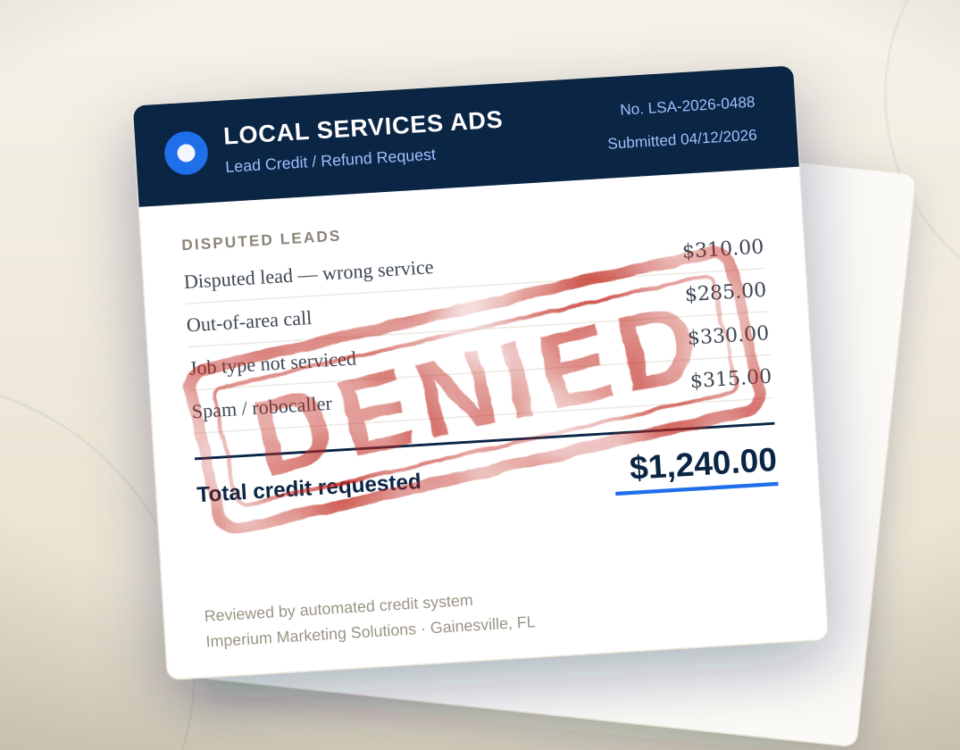
Tackle click fraud and wasted spend
Click fraud or unqualified clicks can feel like money down the drain. To tackle this issue, regularly analyze your campaign data for suspicious spikes in activity or repetitive clicks from the same IP addresses. While Google has automated detection systems, you can set up IP exclusions and refine your targeting in areas with frequent fraudulent clicks. If you see certain placements or devices consistently delivering poor leads, filter them out.
Improve your landing page experience
Sometimes the problem has nothing to do with keywords or ads. You might be driving relevant users to a page that doesn’t immediately communicate value. Check your bounce rates, time-on-page metrics, and form completion rates. If people are clicking but leaving quickly, you likely need a more inviting page layout, a clearer call to action, or more direct messaging. Even elements like page load speed or mobile responsiveness can make or break a visitor’s decision to stay or leave. Consider a quick review of google ads leads conversion to learn about best practices for boosting your landing page performance.
Choose the right partnership
Managing Google Ads for lead gen can become an extensive endeavor. Between researching keywords, creating landing pages, analyzing data, and refining campaigns, you may find your time and resources stretched. This is where teaming up with a specialized agency can offer significant advantages. By focusing on your unique goals and leveraging their expertise, you can reduce trial and error and see results faster.
Imperium Marketing Solutions specializes in driving cost-effective leads through carefully crafted campaigns. Whether you’re launching your very first ad group or revamping a stalled campaign, you want professionals who understand how to amplify your brand. With the right partnership, you gain access to finely tuned strategies, in-depth analytics, and continuous support to ensure your leads keep flowing in.
Bring it all together
Turning your Google Ads campaigns into a steady engine for lead generation involves many moving parts, but the end result can transform your business. By setting clear goals, structuring your campaigns wisely, and optimizing every step from keyword selection to follow-up strategies, you create a sustainable system that consistently feeds your sales pipeline. Along the way, pay careful attention to the quality of your leads because conversion rates and customer lifetime value will ultimately define your ROI.
If you find yourself with too many tasks to juggle or simply want to unlock bigger results more quickly, consider partnering with advertisers who know the ins and outs of this platform. You already have your mission: focus on reaching qualified leads, refining your message, and nurturing prospects so that your sales team has a steady stream of warm buyers. When you commit to this journey, the full power of Google Ads becomes a catalyst for real business growth.
And remember: every campaign is a work in progress. Keep testing. Keep learning. Keep refining. Google Ads for lead gen is all about continuous improvement. With every tweak, you sharpen your ability to target precisely, convert efficiently, and grow your bottom line. By following these steps, you’re setting yourself up for long-term success with digital advertising in a competitive marketplace.