
If you’ve been searching for a better way to reach potential customers, you’ve probably wondered about the ROI of connected TV advertising. Does it truly outperform traditional TV ads, or is it just another shiny new option in a crowded media landscape? As business owner or marketing director, you want to invest in ad campaigns that swiftly engage your audience and produce measurable returns. Connected TV (CTV) might just be the answer.
Below, you’ll discover what sets CTV apart from conventional cable advertising, how the costs stack up, and how you can optimize your approach to get the best possible return on every advertising dollar.
Understand the basics of connected TV
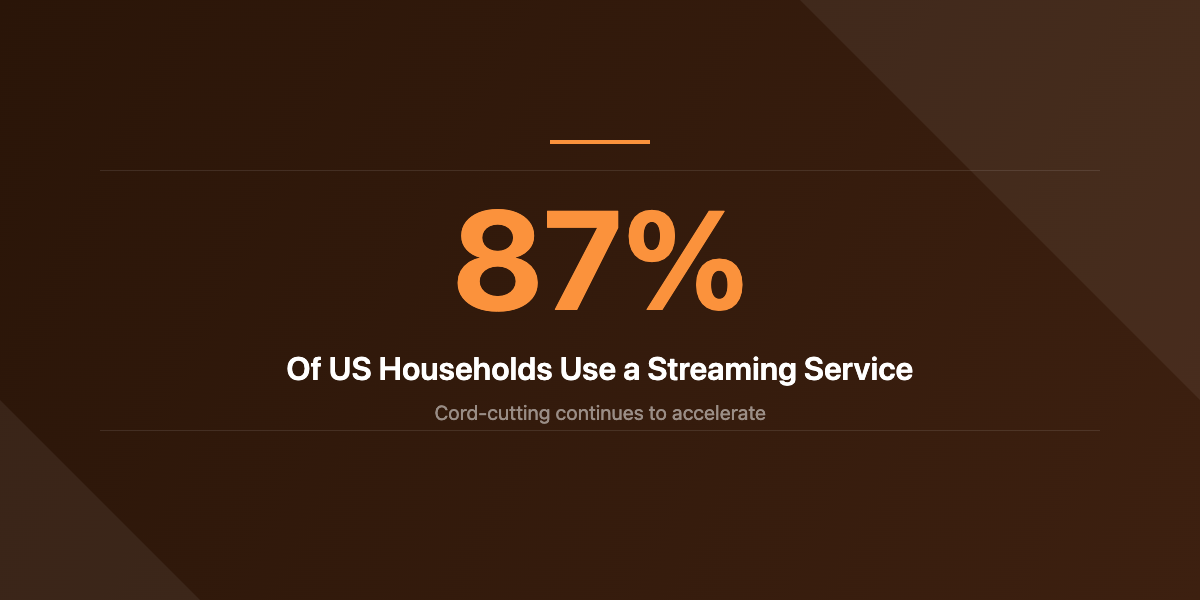
Connected TV refers to TVs and devices that link to the internet to stream content, allowing viewers to watch shows on platforms such as Hulu, Roku, and other streaming services. Unlike linear or traditional TV, where programs air on set schedules, CTV gives audiences the freedom to watch their favorite content when and where they want. You can reach them on smart TVs, streaming boxes, and even game consoles, ensuring greater flexibility in your ad placements.
Because of these capabilities, you’re not just speaking to people during a prime-time slot. Viewers often watch on their own timetable, so your ads run in a more targeted, personalized environment. Very often, this means your message speaks directly to those most likely to engage with your products, rather than broadcasting broadly to a region or a demographic that might not be the right fit.
Compare costs with traditional TV
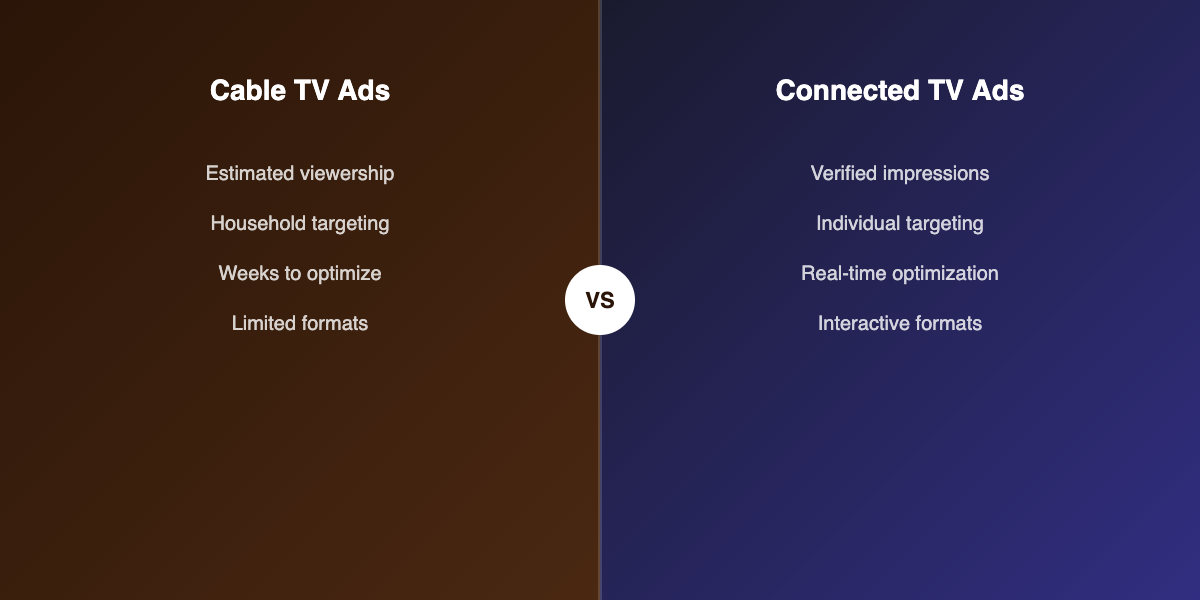
You might assume that CTV inventory is more expensive, because it operates in a high-tech space. However, the cost structure can be surprisingly flexible. Traditional TV ads typically have fixed contracts, and you usually pay for blocks of time to reach large, generalized audiences. With CTV, you have room to set more precise budgets and pay only for impressions that match specific audience criteria.
When you compare the two side by side, it becomes clear that connected TV often delivers more efficient spending. Traditional TV might still be powerful for brand-building if you can afford to buy prime-time slots, but CTV lets you tailor your reach so that nearly every impression is relevant. If you want to dive deeper into how these advertising mediums stack up, take a look at our article on ctv vs linear tv advertising effectiveness. It gives you a closer look at how measurement differs between the two channels and why that matters for your bottom line.
If you make every impression count, that alone can lead to a lower overall cost per acquisition. You can reassess and adjust your campaigns if any element isn’t working. With traditional TV, you might have to wait until a contract ends or a new quarter begins. That agility makes a huge difference when you want to manage costs dynamically and keep your strategies fresh.
Target your ideal audience
A huge advantage of connected TV advertising is its ability to drill down into detailed viewer data. While conventional TV ads can target demographics in broad strokes (like people in a certain region or those tuning into a specific show), CTV can layer on additional filters, including viewer browsing habits, past brand interactions, or even the type of devices they own.
When you can pinpoint who sees your message, you’re automatically increasing the odds of a higher return on investment. For instance, if you operate a local boutique bakery, you’d probably prefer ads that reach dessert enthusiasts in your geographical area rather than broadcasting to thousands of people with zero interest in pastries. Similarly, a sports equipment retailer might want to reach households that watch fitness and sports programming across multiple streaming platforms, ensuring the brand message resonates exactly when viewers are most open to it.
Moreover, this level of targeting often keeps you from oversaturating the same people with repetitive ads, a problem that sometimes arises in traditional TV spots. By leveraging frequency capping—limiting how often each viewer sees your ad—you can maintain a fresh presence in viewers’ minds without crossing the line into annoyance.
Track the returns on campaigns
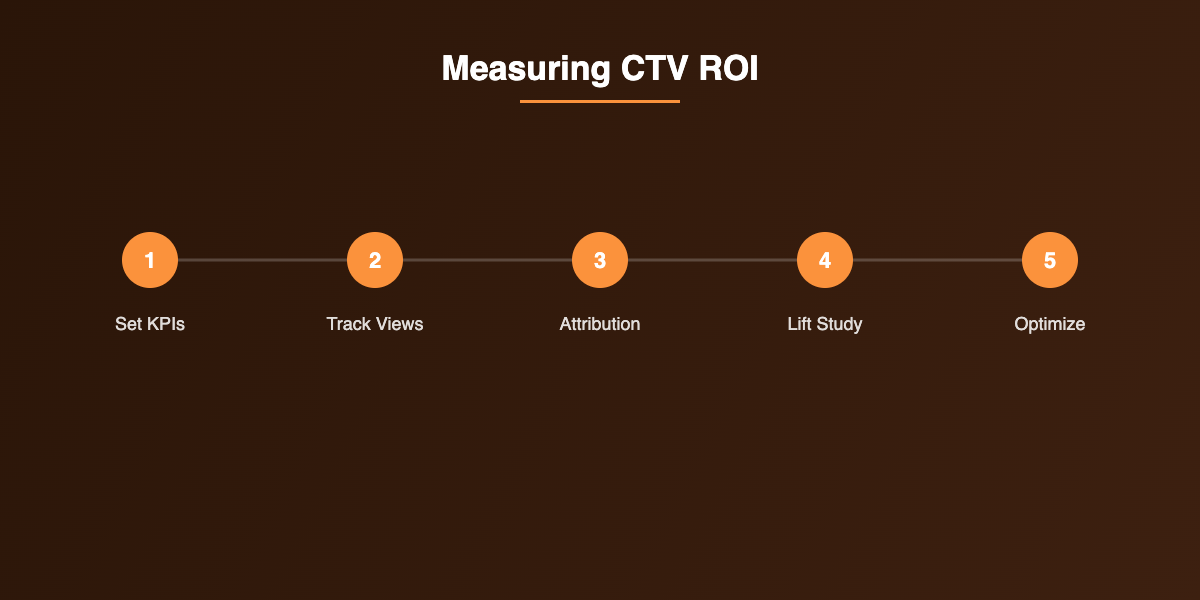
Measuring ROI isn’t always straightforward in traditional TV. You might rely on broad viewer estimates or delayed metrics. However, with connected TV campaigns, you gain access to near real-time analytics that give you a precise look at how well your ads perform. You’ll see how many viewers watched the entire ad, how many clicked or took further action, and in some setups, even which daypart or platform produced the best engagement levels.
This data-friendly environment makes optimization much more direct. If you spot a surge in conversions over the weekend, you can redirect more of your budget to those periods for better returns. Notice a dip among a certain demographic? Adjust your creative, refine your message, or tweak your buy to aim for higher engagement next time.
Perhaps best of all, the near real-time feedback loop of CTV prevents extended guesswork. You can quickly evaluate which creative elements resonate best, whether it’s a particular tagline, visuals, or call-to-action. Over time, tracking your campaigns so closely translates into continuous improvement in results—something that’s harder to manage when you rely solely on more traditional channels.
Implement best practices for better ROI
Integrating connected TV ads into your media plan requires more than just flipping the switch on a campaign. To truly see the ROI of connected TV advertising, you’ll want to follow a few tried-and-true methods that keep your efforts on track:
- Start small and iterate. Run a short test campaign to gather baseline metrics. Then, optimize factors like creative messaging, time slots, and targeting to make sure you’re investing in the right mix.
- Develop consistent branding. Whether you place ads on a streaming service or social media, viewers should instantly recognize your name, logo, and tone.
- Use frequency capping. Let users see your ad enough times to remember you, but not so often that they feel inundated.
- Combine channels for synergy. CTV works hand-in-hand with digital and social ads. A viewer might see your brand on a streaming network, search for more details online, and then finalize a purchase after noticing your retargeting ad on social media.
When you apply these best practices, you’re set up for a higher likelihood of success. Every tactic you use should serve a specific component of your overall marketing goals—like boosting brand awareness, generating direct conversions, or driving leads to your website.
Ready to build a full-funnel strategy? Combine CTV with Google Shopping ads for ecommerce, or with local SEO if you serve a specific market.
Review key takeaways for success
As you explore connected TV advertising, some core principles will guide you toward the best possible ROI:
- CTV offers more precise targeting, so aim for the audiences most likely to engage.
- Flexible budget structures let you allocate your ad spend in real time rather than locking you into long-term spots.
- Real-time analytics reveal which creative elements and timeframes convert best, assisting you in optimizing on the fly.
- Frequency capping and cross-channel coordination keep your message fresh and cohesive across platforms.
By following these principles, you can stay nimble and respond to trends while they’re still relevant. Traditional TV advertising, in comparison, might be slower to adjust. That doesn’t mean linear ads have lost their punch, but they can’t match the precision and flexibility that connected TV offers.
Consider starting a small pilot campaign on a streaming platform. As the data comes in, compare your cost-per-conversion to what you might spend on a similarly sized traditional TV spot. If you discover a significant improvement, you’ll have a strong reason to invest more heavily in CTV. Ultimately, you have the power to craft a marketing mix that feels tailor-made for your brand, pace, and audience—no matter your budget size.
The days of generic, broad-based TV ads are fading into the background. With connected TV, you can not only refine your message but also track its impact with pinpoint accuracy. That’s the real power behind the ROI of connected TV advertising—and it’s an advantage you don’t want to miss.