
To fully optimize Google Ads for ecommerce, you want a plan that turns each click into a potential customer. Whether you sell fashion items or tech gadgets, well-structured campaigns help you extend your reach, target the right people, and ultimately protect your ad budget from wasted spend. Knowing where your spending goes—so you can refine your products, bids, and settings—is the key to seeing a real boost in online sales.
Fine-tuning your strategy often means blending the right campaign types, tapping into robust conversion tracking, and highlighting well-structured product feeds that draw shoppers in. You have a lot to gain by refining every stage of the funnel, from the moment people see your ads to their final clicks on the checkout page. Below, you will find proven, practical ways to make your Google Ads budget work harder for you.
Recognize why Google Ads matter
Google Ads have evolved beyond just text-based search. Today, you can showcase product visuals, compelling descriptions, and real-time promotions. If you strategically place your messages, shoppers see your promotions exactly when they are ready to buy. This level of targeting is a game-changer, especially if you are selling multiple product lines and need to reach both broad and niche audiences.
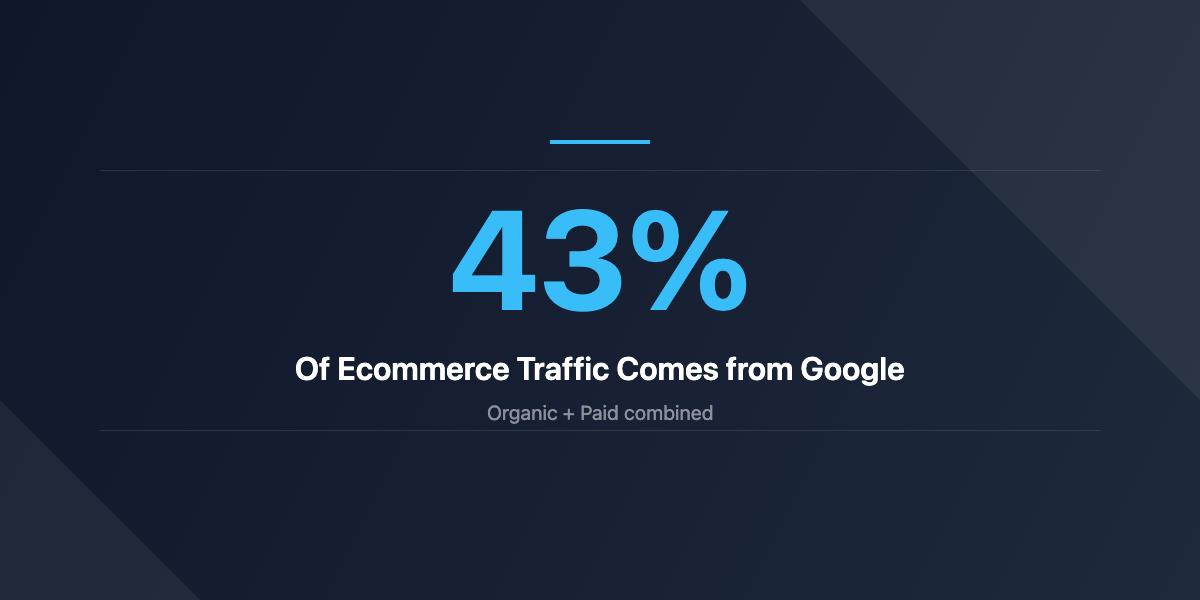
In addition, you control every element of your campaigns, from daily budgets to individual keyword bids. That means you can constantly fine-tune your approach to cut costs and boost click-through rates. When you align keywords, bid strategies, and product images to match what your audience searches for, your ads do more of the heavy lifting.
Optimize your shopping campaigns
Shopping campaigns are often the lifeblood of ecommerce-focused advertising because they leverage rich product data to serve highly relevant ads. You can show off your product images, titles, and prices before users even click. This visual advantage helps pre-qualify leads, so people entering your store already want to learn more about your offer.
To take your ads up a notch, make sure you keep an organized campaign structure. Group similar products together, so you can apply targeted bids based on their performance and profitability. If you need deeper insights, consider implementing more granular campaign splits so you can focus your ad spend on top-performers or new product categories. You will more quickly see which items are driving conversions and can then optimize further.
Enhance your product feed
Your product feed is the powerhouse behind successful shopping ads. Feeding accurate, descriptive information into Merchant Center ensures your products appear in the right searches. Start by polishing titles, descriptions, and images to highlight the unique selling points of each product. The feed format can seem technical, but small improvements have a big ripple effect on your overall results.
Below are four critical feed elements that deserve your attention:
- Product title: Be clear and specific about the product name. Include size, color, or key features for better matching.
- Descriptions: Emphasize the top benefits and use relevant keywords that align with user search habits.
- Images: Use high-resolution photos that showcase your product details and stand out in a crowded marketplace.
- Product type and categorization: Place products into the correct Google categories to ensure accurate matching.
When each product is organized effectively, your ads can reach shoppers who are actively searching for those unique items. For more insights, you can also explore google shopping ads strategies that align with your brand’s objectives. The right feed management sets the stage for a smoother campaign experience, especially when you have dozens or even hundreds of products.
Leverage Performance Max campaigns
Performance Max campaigns take automation to a new level. Instead of juggling multiple networks and campaign types, you supply creative assets and let Google’s machine learning distribute them across Search, Display, YouTube, and more. This comprehensive approach can save time and help you find new audiences.
Before you embrace Performance Max, set clear goals. Are you aiming for more sales, a better return on ad spend, or increased awareness of your brand? Knowing your primary objective lets the algorithm optimize more effectively. After launching, keep track of how each creative asset and audience segment contributes, so you can rotate in fresh images, text, or calls to action when you see areas of opportunity.
Improve conversion tracking accuracy
You are pouring a portion of your budget into paid clicks, so it makes sense to measure every stage of the user journey. Conversion tracking tells you which ads trigger real value—be it a purchase, a sign-up, or a phone call. Without accurate tracking, you risk shifting your budget away from strategies that are actually working.
Consider exploring google ads conversion tracking ecommerce if you have not already set it up. This approach helps you confirm that each successful sale is recorded as a conversion in your Google Ads dashboard. You can then compare conversions against your ad spend to reveal true ROI, manage bids accordingly, and refine your targeting based on what delivers the highest value.
Once you have the basics in place, you can dive more deeply into google ads ecommerce strategies to connect your campaign metrics with your broader business objectives. A consistent tracking framework reveals exactly which campaigns feed your bottom line and which need recalibration.
Refine and monitor performance
Ecommerce ads thrive on continuous testing. You might start with a budget spread across multiple products or categories. Over time, you will notice patterns in which ads generate the most sales, the best click-through rate, or the highest average order value. By fine-tuning your bids and focusing on top performers, you can turn each conversion into a rich source of insights.
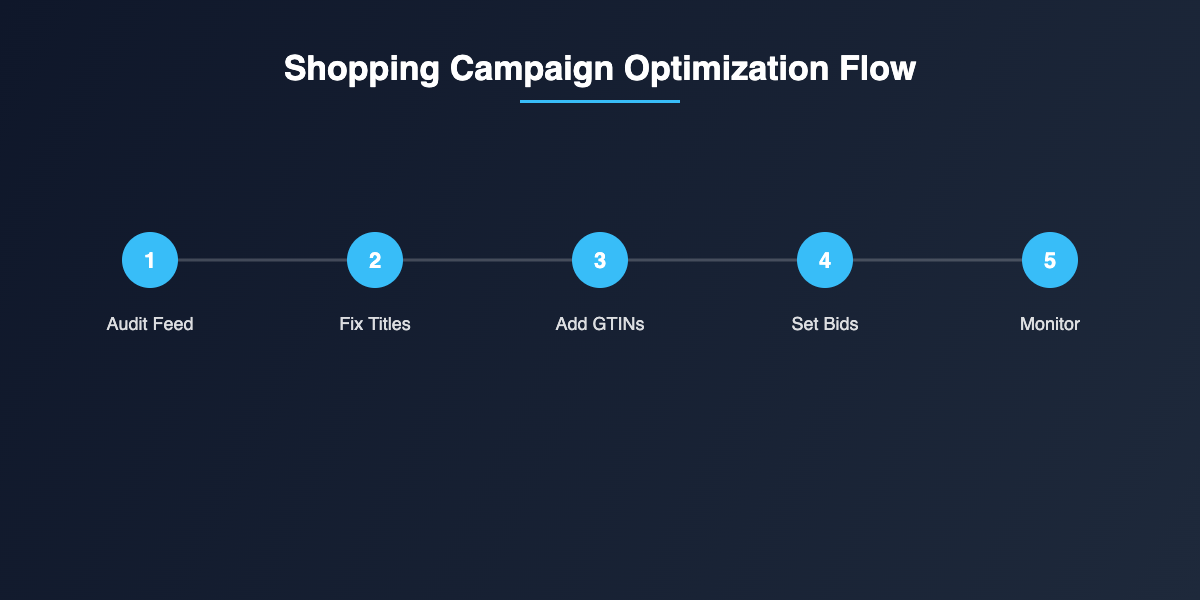
Try setting up regular reviews—weekly, monthly, or quarterly—depending on your sales volume and ad budget. During these reviews, watch for trends in impressions, clicks, and conversions, and adjust your bidding strategy based on your goals. A small tweak to your bid, your ad creative, or even your product image might tip the balance from average performance to standout results.
If you are interested in seeing how other businesses adapt, successful google shopping campaigns usa offers examples of how effective targeting and feed optimization can grow sales. Staying informed about industry best practices can give you fresh perspectives on how to reach new audiences.
Looking to expand beyond ecommerce? See how Google Ads drives patients for dental practices, or discover why SEO-optimized web design is the foundation every business needs.
Wrap up your strategy
You do not need a massive budget to see significant results from Google Ads. Instead, you need focus and a system in place to regularly evaluate and tweak your shopping campaigns, product feed, and conversion tracking. Pay attention to how your ads respond to your chosen goals, and do not hesitate to step back and re-evaluate if you do not see the returns you expected.
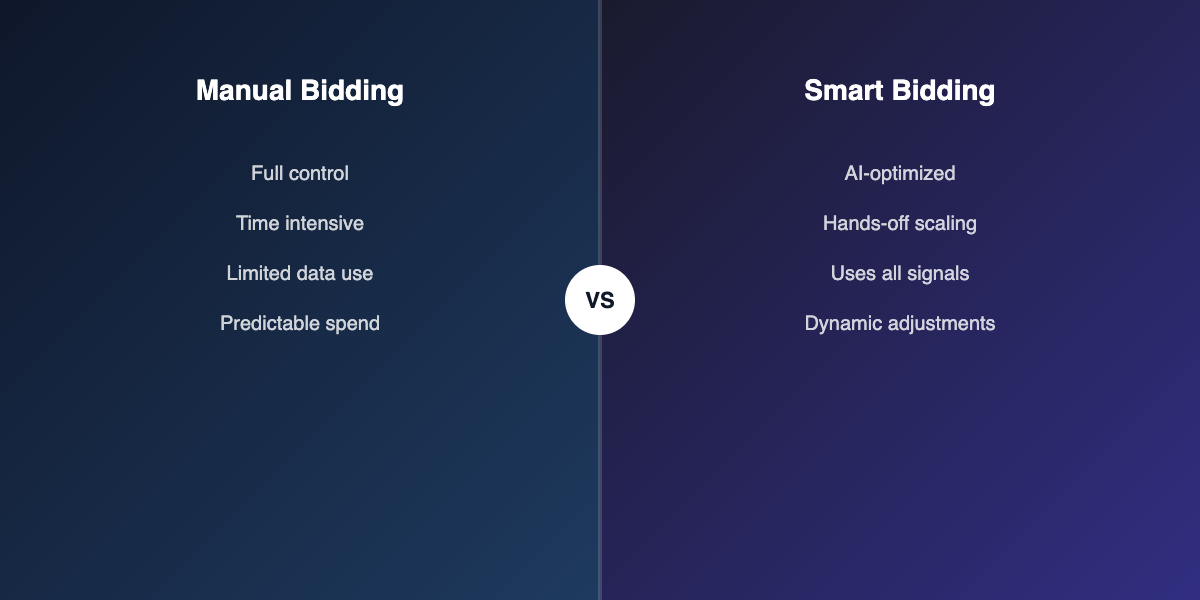
By putting your energy into stronger product listings, automated bidding insights, and dedicated performance monitoring, you can stop wasting money and start building a sustainable pipeline of eager online buyers. It might seem like a lot upfront, but the consistent payoffs in sales and brand visibility will more than make up for your effort. If you make the right adjustments, each step will set you up to truly optimize Google Ads for ecommerce, turning each campaign into a growth opportunity for your business.