

Your ecommerce business thrives when you connect with the right customers, and that is exactly where Google Ads ecommerce strategies come into play. By leveraging targeted campaigns, well-tailored product feeds, and data-driven insights, you can capture high-intent shoppers who are ready to buy. Here is how you can develop a strong framework that maximizes your return on ad spend while helping you stand out in a crowded marketplace.
Understand why Google Ads matters
Google Ads has a massive reach, and it puts your products directly in front of people searching for items like yours. For you, that means high-intent users who are already on the hunt for specific products. When you harness this platform effectively, you can see clearer data on your conversion paths, faster testing cycles to optimize performance, and a steady pipeline of consistent sales.
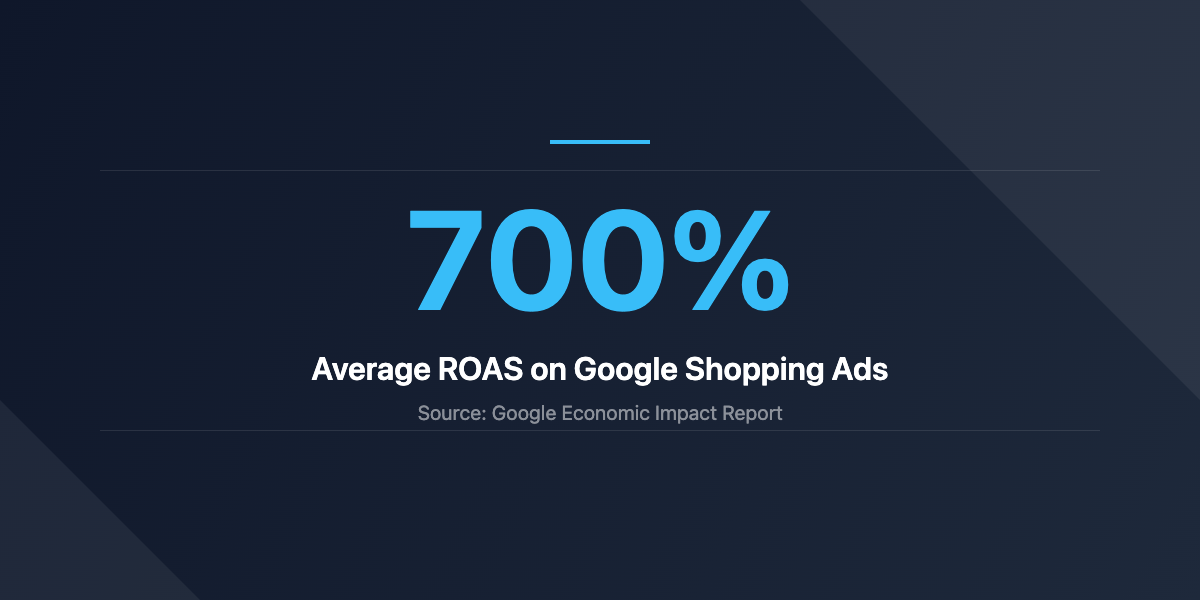
You might find that your biggest challenge is striking the right balance between attracting new customers and ensuring repeat purchases. If you use the right mix of keywords, product visuals, and campaign types, you can engage users at every stage of the buying journey. From discovery to checkout, Google Ads ecosystems give you the controls you need to manage budgets, bids, and messages in a way that fosters steady business growth.
Set up a strong product feed
Your product feed is the core of your advertising efforts, especially when you are running Shopping ads or Performance Max campaigns. A well-structured, detailed feed does more than list product titles and prices. It highlights attributes like brand, color, size, and other specifics that your potential customers need to make informed buying decisions.
Aim to include clear descriptions and high-quality images that accurately reflect each product. When your feed is detailed, you reduce the chance of showing ads to the wrong audience. As a result, you help boost click-through rates and, ultimately, your overall ad performance. For further insight into sharpening this aspect of your marketing, you can explore google shopping ads strategies, which dives deeper into proven tactics for well-optimized product listings.
Unlock Performance Max campaigns
Performance Max campaigns let you reach shoppers across Google’s entire network, from YouTube to Gmail and Search. If you are excited about the prospect of automating your ads and maximizing conversions, this campaign type can be a game-changer. It uses conversion-focused bidding strategies along with machine learning signals to optimize placements in real time.
Start by defining clear goals, whether that is an increase in new customer acquisition or a targeted cost per acquisition (CPA). For example, you can specify a daily budget that suits your business size and watch how the campaign’s automation seeks potential buyers. If you want to refine your marketing approach further, check out optimize google ads for ecommerce for systematic methods to boost traffic and sales without overspending.
Because Performance Max is largely driven by machine learning, you’ll want to feed it the best possible data. That includes thorough conversion tracking, a robust product feed, and well-structured audience signals such as remarketing lists. Over time, you fine-tune the inputs so the algorithm can produce stronger results.
Refine your Shopping ads
Google Shopping ads are a go-to strategy for many ecommerce businesses looking to grow sales in the United States. By displaying product images, prices, and store names right on the search results page, Shopping ads give your potential customers an immediate sense of what you offer. With the right setup, you move past generic search ads and deliver a quick snapshot that can instantly grab attention.
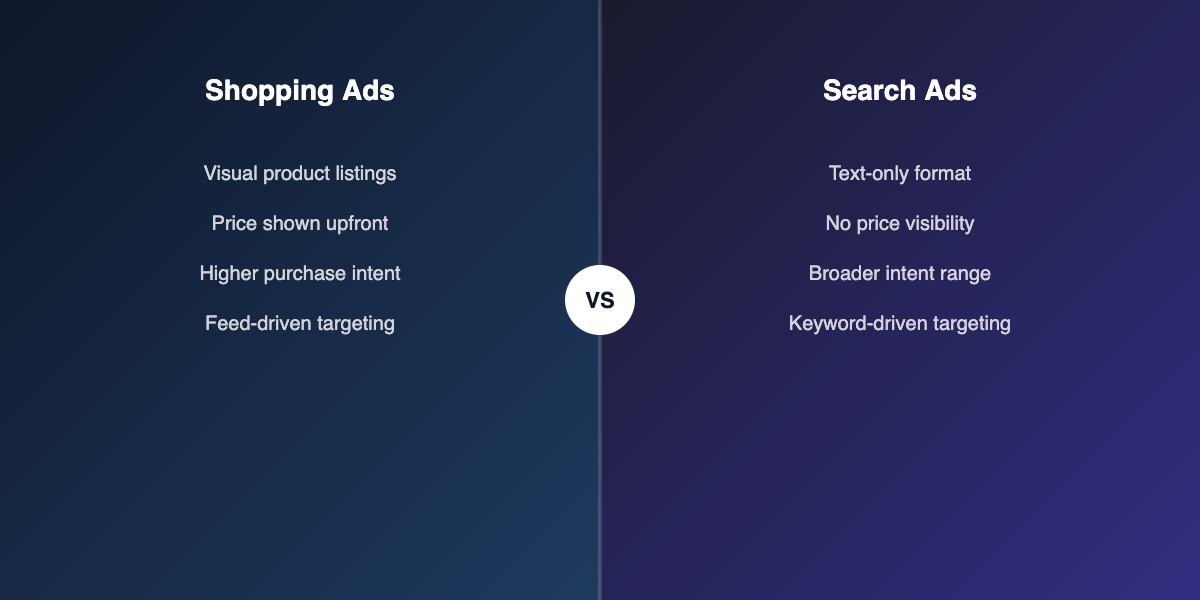
Here are a few specific tactics you can implement to make your Shopping ads pop:
- Use descriptive product titles that include key attributes, like color or material.
- Incorporate relevant product categories to improve ad relevance.
- Test different images to see which ones spark higher engagement.
- Maintain competitive pricing by keeping up with market benchmarks.
- Experiment with promotional text to highlight discounts or free shipping.
When you want to see how others have achieved beneficial outcomes in this realm, you may browse through successful google shopping campaigns usa. You can often adapt or repurpose ideas that have worked for other businesses, giving yourself a head start without reinventing the wheel.
Track and measure every result
Without accurate measurement, it is difficult to tell which of your Google Ads ecommerce strategies are truly driving sales. By implementing conversion tracking, you gather hard data on which ads lead to orders, average order value, and the cost of acquiring each customer. You can explore more robust measurement tactics at google ads conversion tracking ecommerce, where you learn how to link conversions to specific campaigns and ensure your data reporting is airtight.
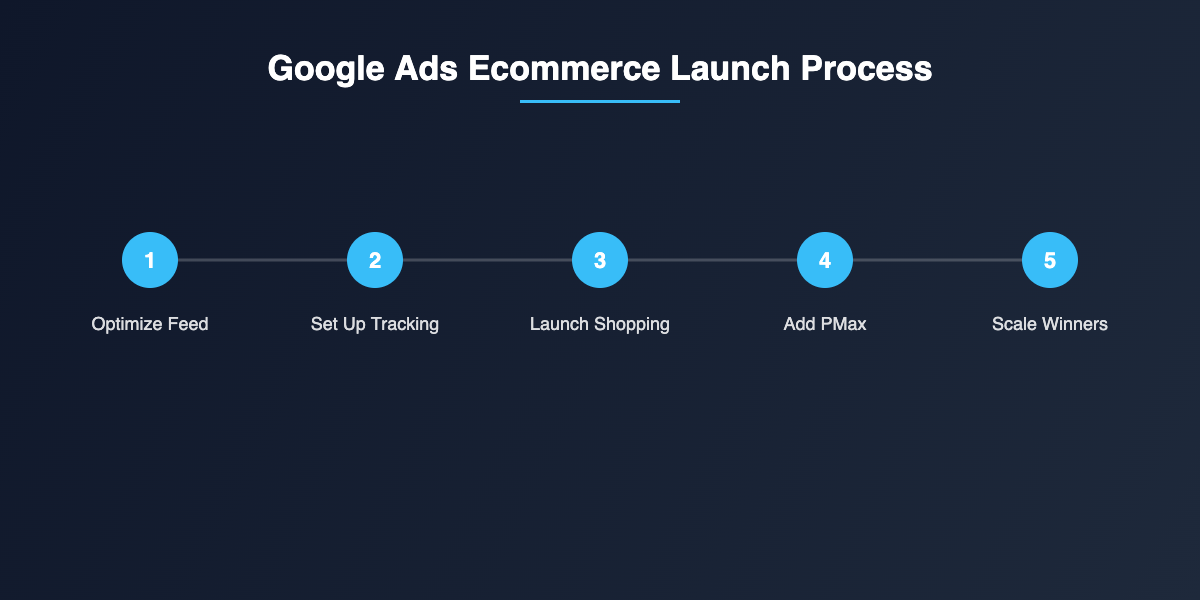
After that comes analysis. Look at cost-per-click (CPC), conversion rate, and cost-per-acquisition (CPA) trends over time. This helps you spot the campaigns and products that have the greatest revenue potential. From there, double down on winning efforts by allocating more budget, refining bids, or extending your promotional pushes.
Keep in mind that tracking does not stop at the point of purchase. Consider measuring lifetime customer value, repeat orders, and upsells. When you see how much a customer spends over months or years, you can make more confident choices about how aggressively to bid on your ads.
If you also serve local customers, combining paid search with local SEO strategies can amplify your results. And for brand awareness beyond search, explore how CTV advertising compares to traditional TV for stretching your ad budget further.
Action steps to move forward
Google Ads is not a set-it-and-forget-it platform. It requires periodic tweaks based on performance, industry shifts, and customer demand. By running A/B tests on everything from ad copy to audience segments, you can spot what resonates most with your shoppers. Then, fine-tune your strategy for incremental improvements that add up to long-term success.
Below is a quick list you can use to keep your campaigns sharp:
- Revisit your product feed monthly to ensure accuracy and explore new attributes.
- Test different Performance Max goals if your initial results are inconsistent.
- Incorporate negative keywords to guide your Shopping ads toward the most relevant searches.
- Monitor competitive benchmarks so you can adjust your bids accordingly.
- Evaluate your conversion tracking setup at least quarterly to catch any data inconsistencies.
When you locate gaps in your campaigns, do not hesitate to make bold changes or updates. Many times, scaling back on lower-performing segments while doubling your efforts on high-performing ads is enough to move you to the next level of success.
If you remain proactive and data-driven, Google Ads can be a major growth engine for your ecommerce brand. You connect with shoppers who are already primed to buy and you reduce guesswork by constantly analyzing concrete results. By aligning your product feed, testing Performance Max, refining Shopping ads, and measuring every conversion carefully, you build a system that can reliably bring in revenue. Each improvement, no matter how small, accumulates over time, elevating your store’s visibility, customer satisfaction, and bottom line.