


You already know that if your ecommerce store wants to stand out, precision in measuring results is everything. Google Ads conversion tracking ecommerce is your secret weapon for spotting which campaigns spark the most sales and how to dial in your ad spend effectively. When every click can mean a new customer, a precise tracking setup makes the difference between guesswork and dominating your market.
Understand the power of conversion tracking
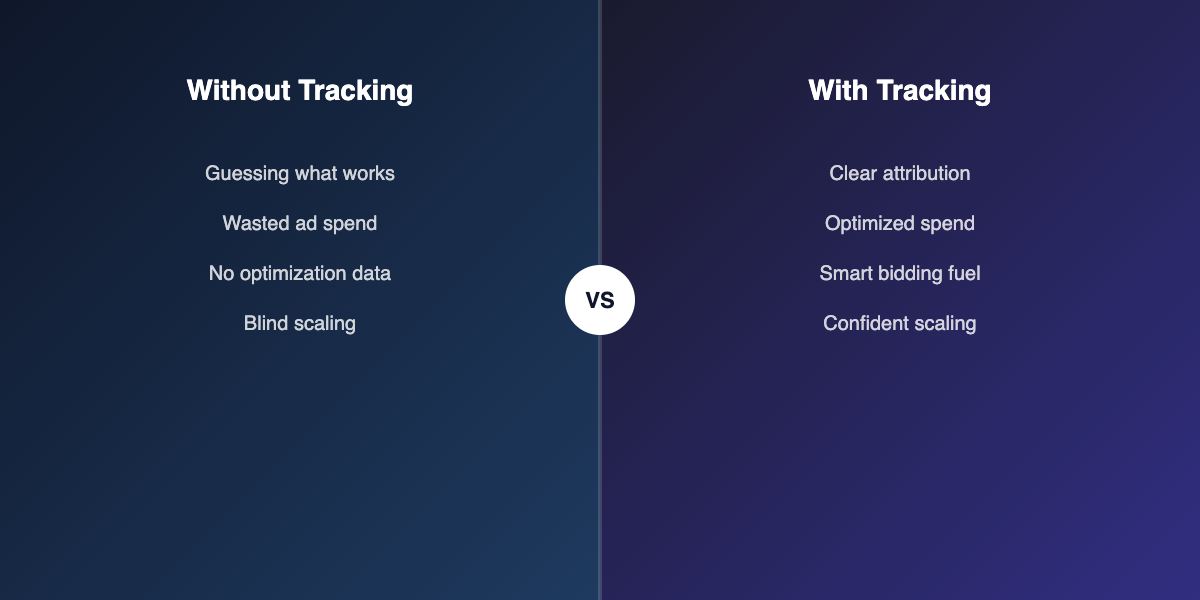
You might be pouring hours into your campaigns, only to guess which ads truly move the needle. Conversion tracking pulls back the curtain on where your revenue really comes from. When you see the path from impression to final purchase, you can focus on high-performing ads and stop sinking budget into dead-end clicks.
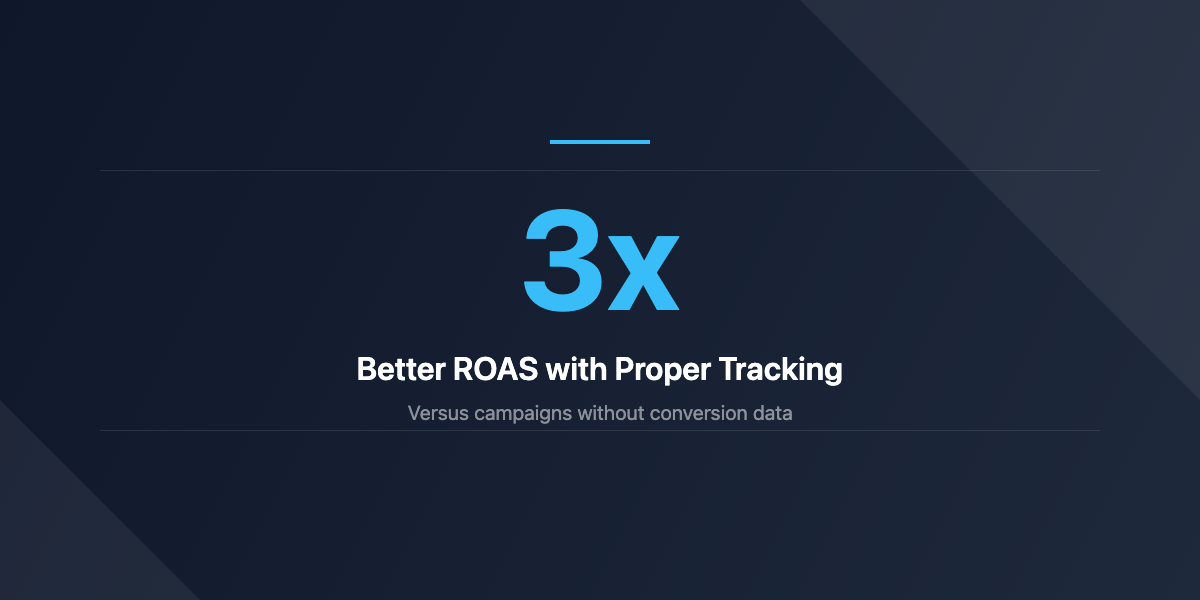
Google Ads conversion tracking is especially crucial in ecommerce because of how rapidly trends shift. One week, a product might enjoy peak demand, and the next week it tapers off. With the right tracking in place, you can notice these shifts and adjust your bids, creative, or audience targeting at the right time.
Ecommerce advertisers who master conversion tracking often find it easier to expand into more specialized campaigns too, such as google ads ecommerce strategies that drive new product launches. When you have verifiable data, your decisions for scaling become clearer and less stressful.
Set up your Google Ads conversion tracking
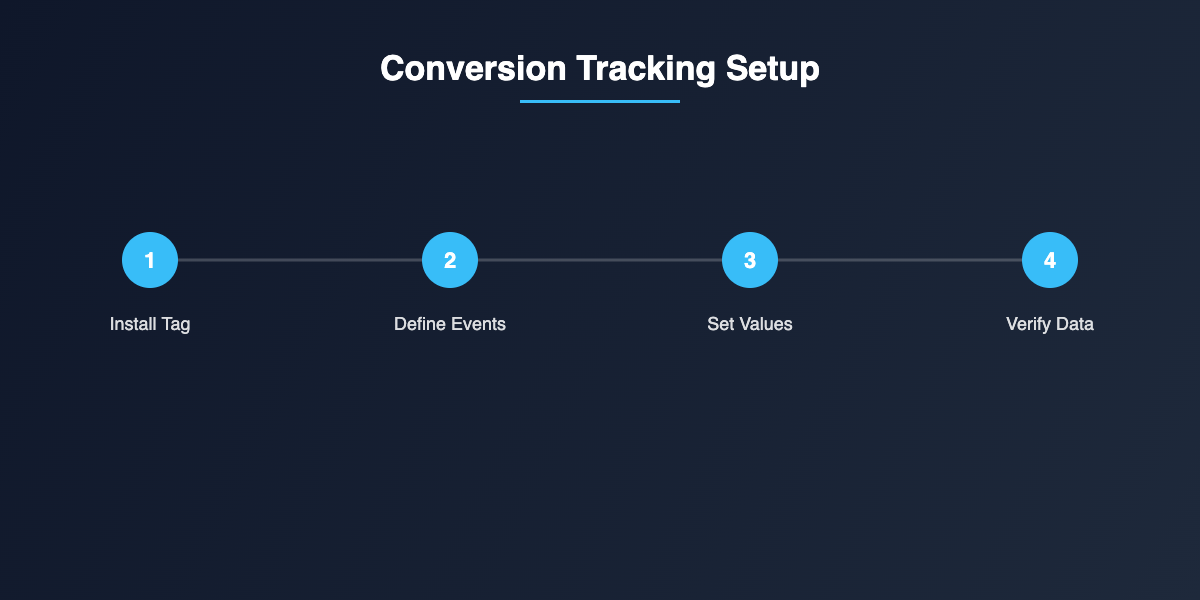
You can tap into several implementation methods depending on your ecommerce platform, but the goal stays the same: capture every sale, lead, or key metric. Once you link Google Ads and your online store (often through a simple tag or plugin), the system tracks each conversion. Here is a common setup flow:
- In your Google Ads account, navigate to “Conversions” under the “Tools & Settings” menu.
- Select “New Conversion Action” and follow the prompts.
- Specify a name for your conversion, like “Ecommerce Purchase,” and map it to your actual checkout event.
- Install the global site tag or use Google Tag Manager. This snippet fires whenever someone completes your desired action.
Aim to verify your setup with a test purchase. You want to see that conversion register in your account and confirm the event is labeled correctly. If you experience discrepancies, especially around cart abandonments versus actual checkouts, double-check your tag firing rules.
Troubleshooting common setup issues
- Tag not firing: Make sure you installed the global site tag or GTM code snippet on every relevant page. Missing code is often the culprit.
- Duplicate conversions: If you see inflated numbers, your tag might be firing twice, once on the cart page and again on a confirmation. Remove duplicate triggers.
- No data reporting: Confirm that your website platform allows third-party scripts. Some less common ecommerce tools may block them by default.
Optimize your product feed for better data
Accurate conversion tracking demands high-quality product data. When your feed is well-organized, you will see clearer insights for which products generate the highest return on ad spend (ROAS). Make sure your titles, descriptions, and product identifiers (like GTINs) match real-world details, so you can track with precision.
A properly optimized feed also positions you to shine in google shopping ads strategies. With comprehensive product names and relevant keywords, you increase the chances of matching the right shoppers. You can even group products based on categories or margins so your performance metrics are easier to interpret.
An underused trick is leveraging custom labels in your product feed. By marking items with labels such as “high-margin” or “seasonal,” you quickly distill complex reports into actionable segments. It is much simpler to reallocate budget when you already know how well each label performs.
Leverage Performance Max for growth
Once your tracking and product feed are in shape, you can turn to Google’s Performance Max campaigns for broader reach. These campaigns use automation to serve your products across Search, YouTube, Gmail, and other Google properties in one go.
Because Performance Max taps multiple channels, clear conversion tracking becomes even more critical. You need to verify that each sale is assigned to the correct ad or audience. If you have already nailed your standard search and shopping conversion setup, you are free to explore advanced features like custom audiences or customer lists. Bring in your remarketing data for even tighter targeting.
Remember that real value emerges when you compare your Performance Max results with your standard search campaigns or optimize google ads for ecommerce. Track metrics side by side to learn if Performance Max outperforms or complements your existing strategy. This data shapes your budget split before you scale even further.
Measure and refine your ecommerce strategy
Successful Google Ads management is not a “set and forget” process. You need to monitor your metrics regularly, interpret the trends, and make strategic improvements. With a busy ecommerce store, it is easy to let your tracking remain static, but your customers’ preferences rarely stay the same. That is why an ongoing review loop ensures your ads reflect current buying behaviors.
Many online retailers check key metrics like cost per acquisition (CPA) and ROAS daily or weekly to ensure no glaring changes. During sale seasons or new product releases, you may inspect your data even more frequently to remain flexible. Pair your findings with other elements, such as your site’s funnel analytics, so you can match ad performance with on-site behavior.
“When you measure results precisely, you never wonder which ads are the real moneymakers.”
This mindset is vital for successful google shopping campaigns usa. By pinpointing top performers, you also identify underperforming items that may need a price check, fresh creatives, or a rework of product descriptions. Over time, you build a leaner and more effective campaign portfolio, one that continuously grows your bottom line.
Testing new ideas
Once you have solid baseline data, you can experiment confidently. Try things like adjusting your bid strategies to Target ROAS or playing with new audience segments. You might pilot a fresh product line in a separate campaign, or add promotional callouts to see if the conversion rate ticks upward.
Testing works best when you isolate one variable at a time. If you change your bid limit, your ad copy, and your audience targeting all at once, you will not know which move generated improvement. Instead, schedule your experiments strategically. Let them run for a set period, track the conversions, and only then decide if you want to keep that tweak permanent.
Accurate tracking is just the start. Learn how dental practices manage Google Ads campaigns with the same tracking principles, and see why Gainesville SEO services are essential for capturing organic traffic alongside your paid efforts.
Final thoughts
When you harness Google Ads conversion tracking ecommerce effectively, you gain hard evidence on what works and what does not. With each conversion properly tagged, your ad dollars become a direct investment in boosting revenue. You can then refine your bid strategy, feed optimization, and Performance Max approach, ensuring every campaign is purposeful and data-driven.
Avoid the pitfalls of guesswork, double-check your tag setups, and keep a close eye on results as your store evolves. As you continue to enhance your segmentation, test fresh campaign types, and draw on the power of robust product data, you will see why high-precision tracking is the best ally for your online store’s growth. Use it well, and you will indeed dominate your market.